Address
804, 805, 8th Floor, Tower B4, Spaze I Tech Park Sec-49, Sohna Road, Gurgaon-122018 , Haryana, India.
Download Alpha Portfolio App


Download Consolidated Portfolio App
Social Media



By Alpha Research
Jul 19, 2023


Harry Markowitz, a Nobel Prize-winning economist best known as the father of modern portfolio theory, died at 95 last week. He focused on combinations of assets, known as a portfolio, rather than individual securities.
If you were to mention that one most valuable asset you possess, what will that be? TIME
Time is undoubtedly one of the most valuable assets in our fast-paced world. It is the ultimate limited resource. Everyone has the same "time budget": 24 hours per day, 365 days per year – 8,760 hours every year of our lives. We all sleep, work, eat, and enjoy our leisure time. However, managing time can significantly impact productivity, efficiency, and overall success as individuals, professionals, and organisations.
There are significant differences in the freedom people have to spend time on the things they value most. Many fell victim to the frantic pace of life, constantly chasing after fleeting distractions. Each moment holds its potential, its own risk, and its reward.
This is where the concept of time portfolio management comes into play. By treating time as a valuable resource and applying strategic management principles, time portfolio management allows us to optimise our schedules, prioritise tasks, and allocate our time effectively. It begins with deep introspection, a reflective journey into one's desires and ambitions. Clarity is gained after meticulously examining their goals, dreams, and the path they wish to tread.
What is Time portfolio management?
Time portfolio management is a structured approach that involves viewing time as a portfolio of investments and making informed decisions to allocate it efficiently. Like a financial portfolio, where assets are diversified to balance risk and maximise returns, time portfolio management involves diversifying one's time across various activities and commitments to achieve optimal outcomes. It emphasises the importance of conscious decision-making, planning, and ongoing evaluation of time usage.
Time portfolio management helps individuals and organisations identify time sinks, eliminate time-wasting activities, and allocate more time to high-value tasks. This focus on productivity can lead to increased output, better performance, and greater efficiency. Individuals can align their daily activities with their long-term goals. It ensures that time is dedicated to activities that contribute directly to personal or organisational objectives, resulting in improved effectiveness and progress. Poor time management often leads to stress and burnout. Time portfolio management promotes a proactive approach, allowing individuals to handle their responsibilities better, reduce last-minute rush, and create a sense of control over their schedules. This can lead to reduced stress levels and increased overall well-being.
The Process of Time Portfolio Management begins with a Time Audit, analyzing how time is currently being spent. This involves tracking and categorising daily activities, identifying time-consuming tasks, and assessing their alignment with goals. Next key step is to Prioritise. Determine the tasks and activities that are most important and contribute the most value. Prioritisation is the key where differentiating between urgent tasks from important ones is done. Focus on higher-priority tasks and activities that align with your goals. Delegate or outsource tasks wherever possible.
Subsequently, allocating time to each task or activity based on importance, deadlines, and estimated effort should be done. Consider using time management techniques such as time blocking, Pomodoro Technique, or batching similar jobs to increase productivity.
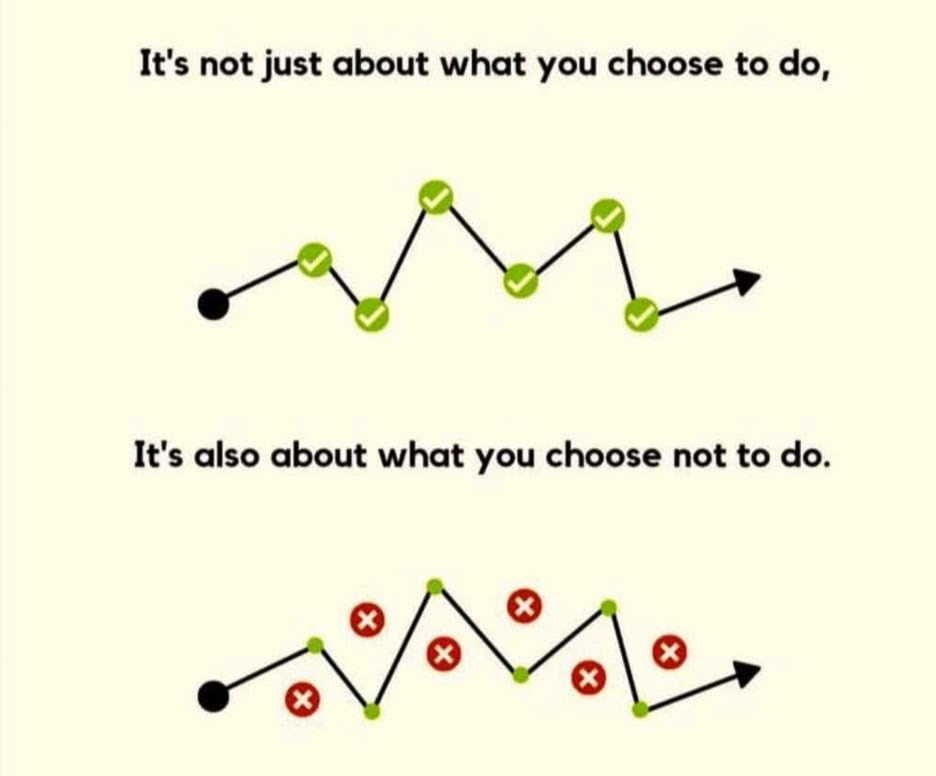
One should regularly review and evaluate how time is being spent is vital to make necessary adjustments and optimizing the time portfolio further. Eliminating distractions is paramount. This may include turning off notifications on your phone or computer, finding a quiet workspace, or using website blockers to limit access to distracting websites. Understand that your time is valuable, and declining requests or activities that do not align with your priorities or goals is okay. Saying no to nonessential commitments frees up time for what truly matters to you.
All of that said, Time portfolio management doesn't mean that "free time" is "wasted time." Your free time may be just as valuable as the time spent being productive. The time you spend to rest and take care of yourself, the time you spend with your partner or your kids produces real, tangible value. Essentially, you are strengthening your relationship with yourself and your loved ones. It's essential to recharge and maintain productivity. Breaks can help prevent burnout and keep you refreshed and focused when you return to your tasks. Experiment with different break intervals to find what works best for you. Taking care of yourself physically, mentally, and emotionally is crucial for productivity and overall well-being. Make time for activities that help you relax, recharge, and reduce stress, such as exercise, meditation, hobbies, or spending time with loved ones.
By becoming more mindful of how you spend your time, you are making small shifts that will ultimately transform the way you think so that you can consistently and sustainably use the time you have to create what truly matters to you. Over time, these practices will help you regain a sense of certainty that you are in direct control of every aspect of your life.
Interestingly, time portfolio management is not just the ability to effectively accomplish your goals by planning and controlling how you spend the hours in your day. It goes far deeper; it transforms your thinking to consistently and sustainably use your time to create what truly matters to you. For instance, everyone has 24 hours a day. There are physical limitations on the amount of work an individual can do and thus the amount of money one can make (Even after assuming you are hyperproductive).
Effective time portfolio management suggests having multiple sources of income or Passive sources of income. And one such source is investment (PS: Not trading).
Investing early allows for more extended periods of compounding returns. Over time, the power of compounding significantly grows wealth. The longer your money remains invested, the more it can benefit from compounding, leading to exponential growth. Time also provides a buffer against market fluctuations and short-term volatility. Investors can ride out market downturns and potentially recover losses over time by taking a long-term perspective. This reduces the impact of short-term market movements on the overall investment portfolio. Complex financial situations and multiple investments, business ventures, and assets require effective time management. It enables them to allocate sufficient time to oversee and manage their financial portfolio, ensuring the preservation and growth of their wealth. Time also plays a crucial role in an investor's learning curve and experience. The longer an individual invests, the more they can learn from their successes and failures. This knowledge accumulation can enhance decision-making and improve investment outcomes over time. For individuals planning for retirement, time is particularly critical. Starting to save and invest early allows for a more extended period to accumulate wealth, benefit from compounding returns, and potentially build a sufficient retirement nest egg. Time management is essential to address family and legacy planning matters, including estate planning, trust management, intergenerational wealth transfer, and philanthropic endeavours. Allocating time to communicate with family members, engage legal and financial advisors, and develop comprehensive plans ensures the smooth transition and preservation of wealth for future generations.
Embracing time portfolio management empowers individuals to take control of their schedules, make informed decisions, improve work-life balance, and maximise the value of their time investments.
So, my dear readers, treat time as a portfolio, a collection of precious moments and opportunities waiting to be seized. Own your time - control how you allocate and manage your time effectively. It involves setting priorities, eliminating distractions, and creating a structure that allows you to focus on what truly matters to you.
Best Regards
Dr. Tarunika Jain Agrawal Ph.D.
Alpha Research