Address
804, 805, 8th Floor, Tower B4, Spaze I Tech Park Sec-49, Sohna Road, Gurgaon-122018 , Haryana, India.
Download Alpha Portfolio App


Download Consolidated Portfolio App
Social Media



By Alpha Research
Jun 27, 2023


Financial planning plays a crucial role in ensuring a secure and prosperous future. As we step into the year 2023, it becomes essential to reassess our financial strategies and make necessary adjustments to align with our goals and aspirations. Alpha capital will guide you through the process of effective financial planning in 2023, covering key steps and considerations to help you achieve financial success.
1. Introduction: Importance of Financial Planning
Financial planning is the process of setting goals, evaluating your current financial situation, and creating a roadmap to achieve those goals. It helps you make informed decisions about managing your finances, ensuring financial stability, and securing a better future. By engaging in effective Financial Planning Consultants you can gain control over your money, reduce financial stress, and work towards a prosperous life.
2. Assess Your Current Financial Situation
Before diving into financial planning for 2023, it’s important to assess your current financial situation. Evaluate your income, expenses, assets, and liabilities. Review your bank statements, investment portfolios, and outstanding debts. This assessment will provide a clear picture of where you stand financially and help identify areas that require improvement.
3. Set Clear Financial Goals
To create a successful financial plan, you need to establish clear and specific goals. Determine what you want to achieve in the short term and long term. It could be saving for a down payment on a house, paying off debt, funding your children’s education, or retiring comfortably. Setting goals allows you to prioritize and allocate your resources effectively.
4. Create a Budget
A budget serves as a roadmap for managing your income and expenses. It helps you track where your money is going and ensures that you allocate sufficient funds towards your financial goals. List all your income sources and categorize your expenses. Identify areas where you can cut back on unnecessary spending and redirect those funds towards your goals.
5. Manage and Reduce Debt
Debt can hinder your financial progress and create unnecessary stress. As part of your financial planning in 2023, focus on managing and reducing your debt. Start by organizing your debts, prioritizing them based on interest rates or balances. Explore strategies like debt consolidation or refinancing to simplify your payments and potentially reduce interest costs.
6. Build an Emergency Fund
An emergency fund is a crucial component of financial planning. It acts as a safety net during unexpected events like job loss, medical emergencies, or major repairs. Aim to save three to six months’ worth of living expenses in an easily accessible account. Automate your savings by setting up regular contributions to your emergency fund.
7. Invest for the Future
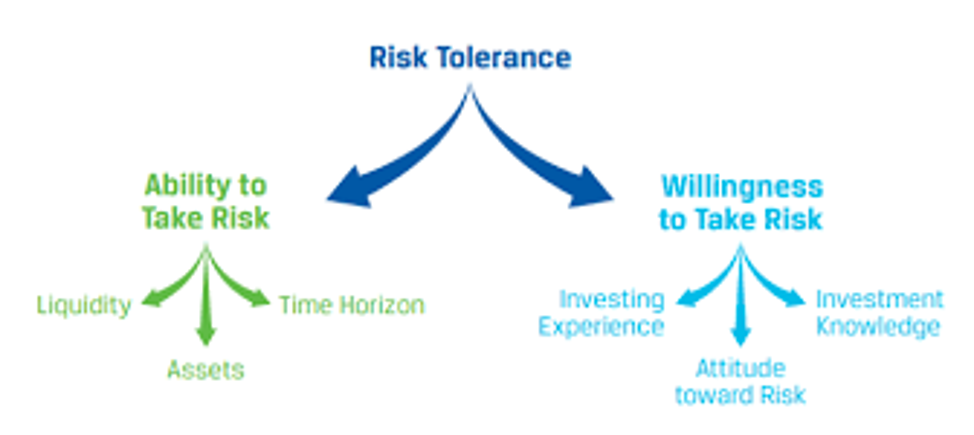
Investing is an effective way to grow your wealth and achieve long-term financial goals. Consider your risk tolerance, investment horizon, and financial objectives when selecting investment vehicles. Diversify your portfolio to mitigate risks and seek professional advice if needed. Regularly review and rebalance your investments to ensure they align with your changing circumstances.
8. Plan for Retirement
Retirement planning is vital to secure your financial future. Estimate the income you’ll need during retirement and calculate the savings required to achieve that goal. Take advantage of employer-sponsored retirement plans, such as 401(k)s, and consider contributing to individual retirement accounts (IRAs). Take a financial advisor services to devise a retirement strategy tailored to your needs.
9. Protect Yourself with Insurance
Insurance provides financial protection against unexpected events. Evaluate your insurance coverage, including health, life, disability, and property insurance. Ensure that your coverage is adequate to safeguard your family and assets. Review policies annually to accommodate changes in your circumstances or needs.
10. Review and Adjust Regularly
Financial planning is not a one-time task; it requires regular review and adjustments. Set aside time at least once a year to assess your progress, update your goals, and make necessary changes to your financial plan. Keep track of changes in tax laws, market conditions, and personal circumstances that may affect your plan.
11. Seek Professional Guidance
While it’s possible to create a financial plan on your own, seeking professional guidance can provide valuable insights and expertise. Consider consulting a certified financial planner (CFP) who can analyse your financial situation, provide personalized recommendations, and help optimize your financial plan for 2023 and beyond.
12. Tax Planning Strategies
Tax planning is an integral part of financial planning. Understand the tax laws applicable to your country or region and explore strategies to minimize your tax liabilities. Maximize contributions to tax-advantaged accounts, take advantage of tax deductions and credits, and plan your investments with tax efficiency in mind.
13. Estate Planning
Estate planning involves the preparation of legal documents to ensure the smooth transfer of assets and wealth to your loved ones after your demise. Review or create essential documents such as wills, trusts, and powers of attorney. Consult an estate planning attorney to ensure your wishes are documented and your assets are protected.
14. Financial Planning Tools and Resources
Numerous online tools and resources can aid in your financial planning journey. From budgeting apps to investment calculators and educational websites, leverage these tools to simplify complex financial concepts and streamline your planning process. However, exercise caution and verify the credibility of any financial tools or resources you utilize.
15. Conclusion
For Best Financial planning in 2023 requires a holistic approach, encompassing various aspects of your financial life. By following the steps outlined in this article, you can establish a solid foundation for your financial well-being. Remember to regularly review and adapt your plan to accommodate changing circumstances. Get a Certified Financial Planner and Take control of your finances, set clear goals, and work towards a secure and prosperous future.
FAQs
Q1: Is financial planning only for wealthy individuals?
Financial planning is beneficial for individuals of all income levels. It helps create a roadmap for managing money effectively and achieving financial goals, regardless of one’s wealth.
Q2: Can I do financial planning on my own, or do I need professional help?
While it’s possible to create a financial plan independently, seeking professional guidance can provide valuable insights and expertise tailored to your specific circumstances.
Q3: When should I start financial planning?
The sooner, the better. It’s never too early or too late to start financial planning. The earlier you begin, the more time you have to build wealth and secure your future.
Q4: What if I have existing debts and limited income?
Effective financial planning can help you manage debts and optimize your income. By creating a budget, prioritizing debt repayment, and exploring strategies like debt consolidation, you can make progress towards financial freedom.